Understanding the Coandă Effect in Ceiling Air Distribution
Updated: 3 days ago
A ceiling diffuser does more than introduce conditioned air into a room. Its position, discharge direction, outlet velocity, geometry, and relationship with the ceiling determine how effectively the supply air mixes with the room air.
One of the most important physical principles affecting this process is the Coandă effect—also called the ceiling effect in HVAC air-distribution design.
When properly used, the Coandă effect allows cool supply air to travel across a ceiling before gradually entering the occupied zone. This improves air mixing, increases diffuser throw, reduces cold drafts, and helps maintain more uniform indoor temperatures.
However, the effect is not automatic. Poor diffuser selection, inadequate airflow, improper installation, ceiling obstructions, or excessive supply-air temperature differences can cause the air jet to separate from the ceiling and fall prematurely into the occupied zone. (Understanding the Coandă Effect in Ceiling Air Distribution)
This article explains how the Coandă effect works, how it influences ceiling air distribution, and how engineers can account for it during diffuser selection and HVAC design.
What Is the Coandă Effect?
The Coandă effect is the tendency of a moving fluid jet—such as an air stream—to remain attached to a nearby surface.
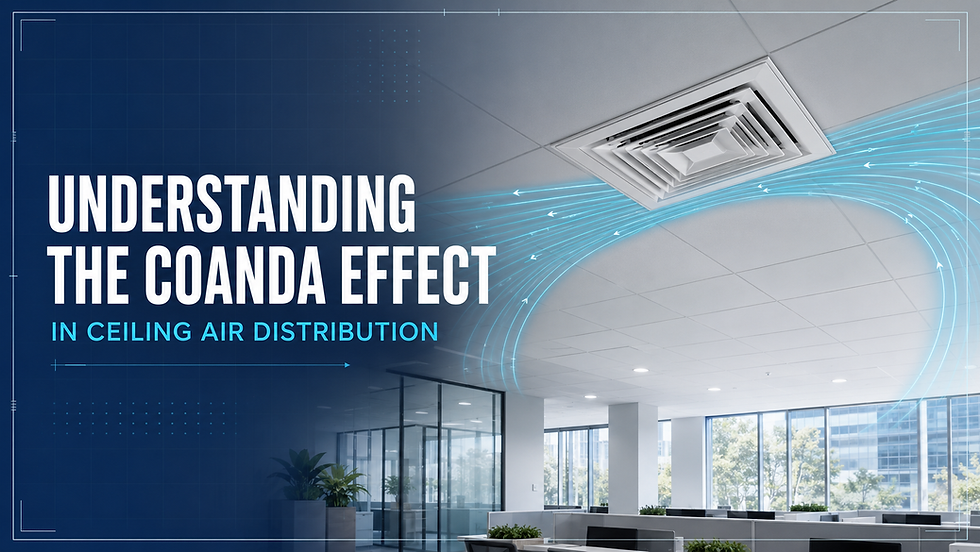
Download the full design guide PDF with detailed calculations, fan sizing, code compliance, and real project insights. Built for HVAC engineers and MEP consultants. (Understanding the Coandă Effect in Ceiling Air Distribution)
For detailed calculations, project-specific design, and authority-compliant solutions, contact our engineering team.
Email : info@nexoradesign.net
Phone : +94 76 720 5408
Web : www.nexoradesign.net
Read related blogs
How to Select Supply-Air Diffusers Using Throw, Drop and Spread
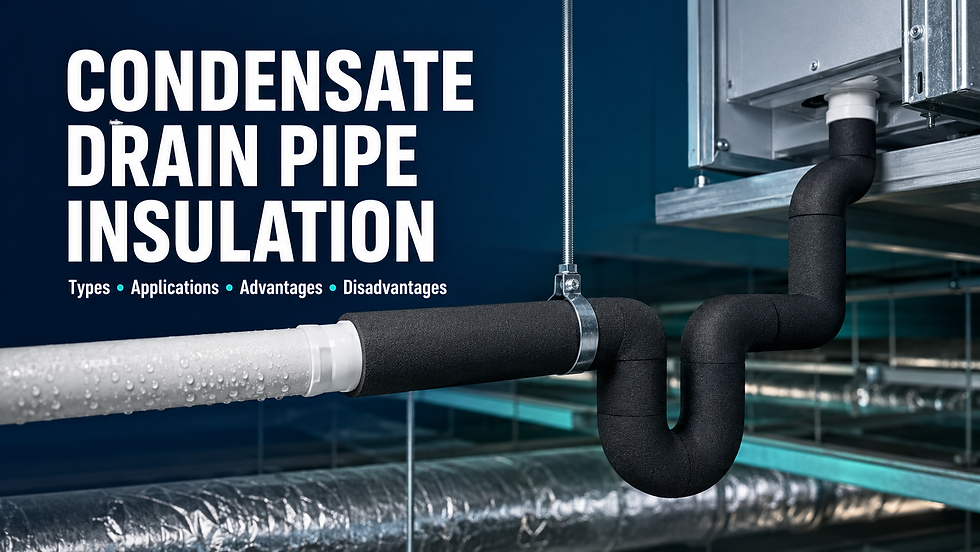
Condensate Drain Pipe Insulation: Types, Applications, Advantages, and Disadvantages
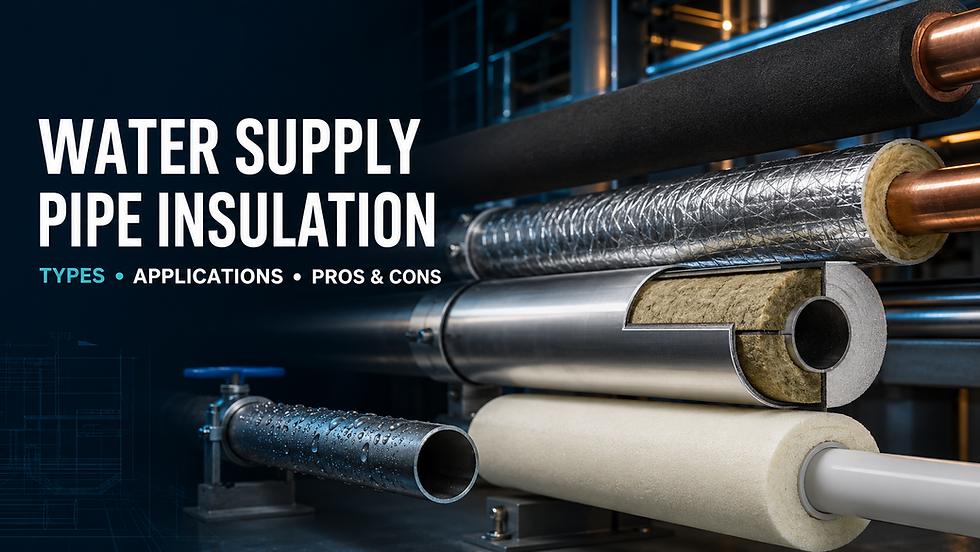
Water Supply Pipe Insulation: Types, Applications, Advantages and Disadvantages
Chilled-Water Pipe Insulation: Types, Applications, Advantages and Disadvantages
How to Design an Outdoor Cooling System for a Park
HVAC Duct Insulation: Types, Applications, Advantages and Disadvantages
How to Design a Staircase Pressurization System for a High-Rise Building
Want the complete workflow? The HVAC Duct Design & Sizing Handbook connects airflow, diffuser and grille selection, duct sizing methods, pressure-loss calculations and fan ESP across 25 chapters, with worked office, villa and AHU examples.

Comments